|
| int | fn_NetSim_CR_CopyPacket_F (const NetSim_PACKET *pstruDestPacket, const NetSim_PACKET *pstruSrcPacket) |
| |
| int | fn_NetSim_CR_TransmitP2PPacket (NetSim_PACKET *pstruPacket, NETSIM_ID nDevId, NETSIM_ID nInterface) |
| |
| int | fn_NetSim_CR_Configure_F (void **var) |
| |
| int | fn_NetSim_CR_Init_F (struct stru_NetSim_Network *NETWORK_Formal, NetSim_EVENTDETAILS *pstruEventDetails_Formal, char *pszAppPath_Formal, char *pszWritePath_Formal, int nVersion_Type, void **fnPointer) |
| |
| int | fn_NetSim_CR_FreePacket_F (const NetSim_PACKET *pstruPacket) |
| |
| int | fn_NetSim_CR_Metrics_F (PMETRICSWRITER metricsWriter) |
| |
| int | fn_NetSim_CR_Finish_F () |
| |
| int | fn_NetSim_CR_PacketArrive () |
| |
| int | fn_NetSim_CR_GetFID (QUALITY_OF_SERVICE nQOS) |
| |
| QUALITY_OF_SERVICE | fnGetQOS (char *Qos) |
| |
| int | fn_NetSim_CR_AllocBandwidth (NETSIM_ID nSID, QUALITY_OF_SERVICE nQos, UPLINKALLOCINFO **ppstruInfo, unsigned int nSlotRequired, unsigned int nTotalSlot) |
| |
| int | fn_NetSim_Check_Interference (unsigned int nChannelNumber, struct stru_802_22_Channel *pstruChannelList, unsigned int nLowerFrequency, unsigned int nHigherFrequency) |
| |
| int | fn_NetSim_CR_UpdateInfo (BS_MAC *pstruBSMAC, BS_PHY *pstruBSPHY) |
| |
| int | fn_NetSim_AddPacketToList (NetSim_PACKET **list, NetSim_PACKET *packet) |
| |
| long long int | fn_NetSim_CR_TransmitPacket (NetSim_PACKET *pstruPacket, int nDevId, int nInterfaceId, int nConDevId, int nConInterface) |
| |
| double | fn_NetSim_CR_CalculateTransmissionTime (double dPacketSize, SYMBOL_PARAMETER *pstruSymbolParameter) |
| |
| char * | fn_NetSim_CR_Trace_F (int nSubEvent) |
| |
| int | fn_NetSim_CR_InitIncumbent (BS_MAC *pstruBSMAC, NETSIM_ID nDeviceId, NETSIM_ID nInterfaceId) |
| |
| int | fn_NetSim_CR_IniScanChannel (BS_MAC *pstruBSMAC, BS_PHY *pstruBSPhy) |
| |
| int | fn_NetSim_CR_UpdateOperatingChannel (BS_PHY *pstruBSPhy) |
| |
| int | fn_NetSim_CR_StartSCH (int nBTSId, int nInterfaceId) |
| |
| int | fnIsinRange (double l1, double u1, double l2, double u2) |
| |
| int | fn_NetSim_CR_ConfigIncumbent (void *xmlNetSimNode, BS_MAC *pstruBSMAC) |
| |
| int | fn_NetSim_CR_BroadCastPacket (NetSim_PACKET *pstruPacket, NETSIM_ID nDevId, NETSIM_ID nInterface) |
| |
| int | fn_NetSim_CR_MulticastPacket (NetSim_PACKET *pstruPacket, NETSIM_ID nDevId, NETSIM_ID nInterface) |
| |
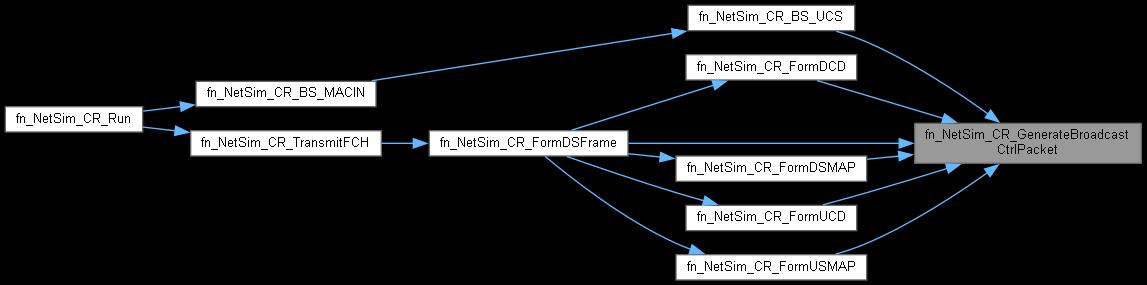
| NetSim_PACKET * | fn_NetSim_CR_GenerateBroadcastCtrlPacket (int nDeviceId, int nInterfaceId, MANAGEMENT_MESSAGE nMessageType) |
| |
| int | fn_NetSim_CR_FillDSFrame (unsigned int size, DS_BURST **pstruDSBurst, SYMBOL_PARAMETER *pstruSymbolParameter, int nFlag, unsigned int *nSlotRequire) |
| |
| int | fn_NetSim_CR_AddPacketToDSBurst (DS_BURST *pstruDSBurst, NetSim_PACKET *pstruPacket) |
| |
| NetSim_PACKET * | fn_NetSim_CR_UNFillSlot (NETSIM_ID nDeviceId, NETSIM_ID nInterfaceId, unsigned int nBurstId) |
| |
| int | fn_NetSim_CR_UpdateIncumbentMetrics (BS_MAC *pstruBSMAC, BS_PHY *pstruBSPHY, double dTime) |
| |
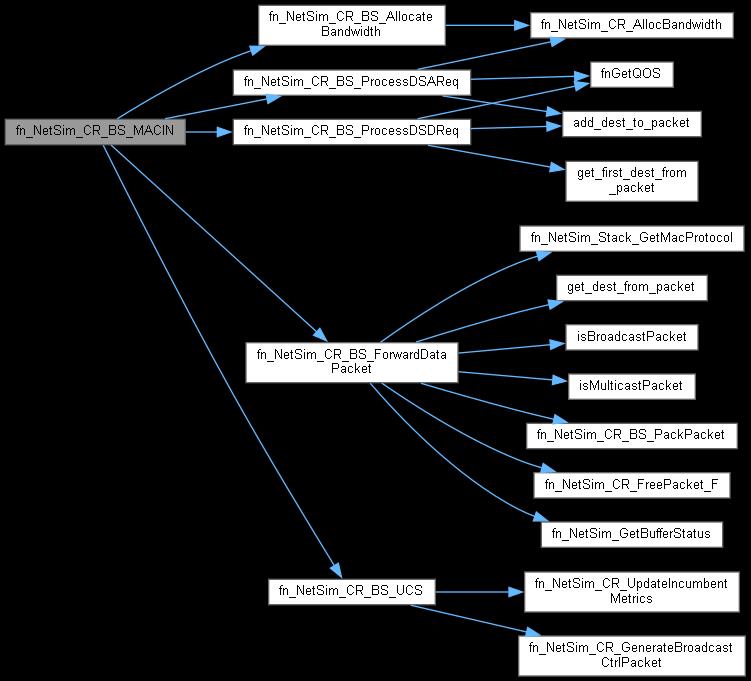
| int | fn_NetSim_CR_BS_MACIN () |
| |
| int | fn_NetSim_CR_CPE_PhysicalOut () |
| |
| char * | fn_NetSim_CR_Trace (int nSubEvent) |
| |
| int | fn_NetSim_CR_BS_AllocateBandwidth () |
| |
| int | fn_NetSim_CR_ScanChannel (BS_MAC *pstruBSMAC, BS_PHY *pstruBSPhy) |
| |
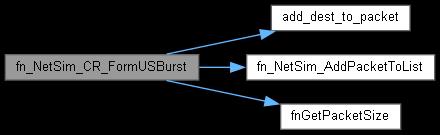
| int | fn_NetSim_CR_FormUSBurst () |
| |
| int | fn_NetSim_CR_FormChannelSet (BS_PHY *pstruBSPhy) |
| |
| int | fn_NetSim_Init_OFDMA (BS_PHY *pstruBSPhy) |
| |
| int | fn_NetSim_CR_SSA_Initialization (BS_MAC *pstruBSMAC, BS_PHY *pstruBSPHY) |
| |
| int | fn_NetSim_CR_AssociateCPE (NETSIM_ID nDeviceId, NETSIM_ID nInterfaceId) |
| |
| int | fn_NetSim_CR_FragmentPacket (NetSim_PACKET *pstruPacket, double dSDUSize) |
| |
| int | fn_NetSim_CR_CreateServiceFlow (NETSIM_ID nDeviceId, NETSIM_ID nInterfaceId, int nId, NetSim_PACKET *packet, double dTime) |
| |
| int | fn_NetSim_CR_IncumbentStart () |
| |
| int | fn_NetSim_CR_IncumbentEnd () |
| |
| int | fn_NetSim_CR_TransmitSCH () |
| |
| int | fn_NetSim_CR_TransmitFCH () |
| |
| int | fn_NetSim_CR_TransmitDSBurst () |
| |
| int | fn_NetSim_CR_TransmitUSBurst () |
| |
| int | fn_NetSim_CR_QuietPeriod () |
| |
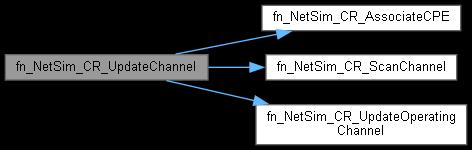
| int | fn_NetSim_CR_UpdateChannel () |
| |
| int | fn_NetSim_CR_CPE_ProcessSCH (NetSim_PACKET *pstruPacket) |
| |
| int | fn_NetSim_CR_CPE_ProcessFCH (NetSim_PACKET *pstruPacket) |
| |
| int | fn_NetSim_CR_CPE_ProcessDSMAP () |
| |
| int | fn_NetSim_CR_CPE_ProcessUSMAP () |
| |
| int | fn_NetSim_CR_CPE_ProcessDSA_RSP () |
| |
| int | fn_NetSim_CR_CPE_ProcessDSD_REP () |
| |
| int | fn_NetSim_CR_CPE_SwitchChannel () |
| |
| int | fn_NetSim_CR_CPE_PackPacket () |
| |
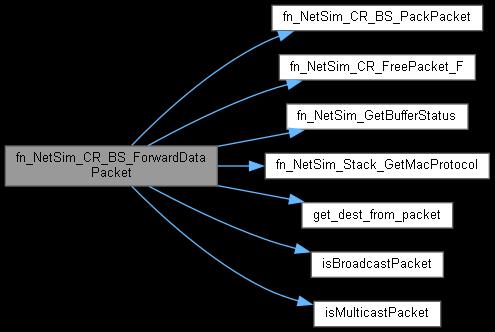
| int | fn_NetSim_CR_BS_ForwardDataPacket () |
| |
| int | fn_NetSim_CR_BS_ProcessDSAReq () |
| |
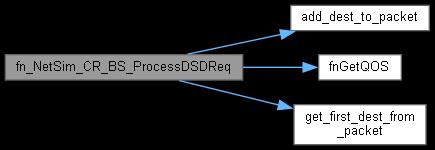
| int | fn_NetSim_CR_BS_ProcessDSDReq () |
| |
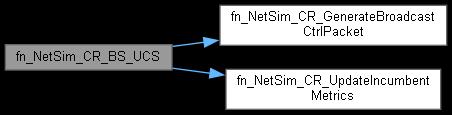
| int | fn_NetSim_CR_BS_UCS () |
| |
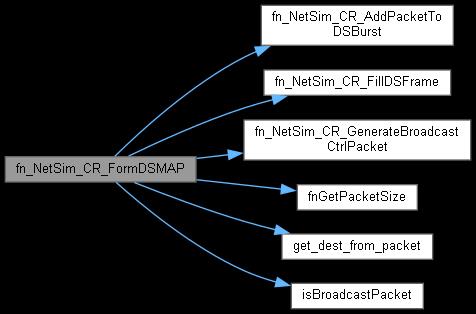
| NetSim_PACKET * | fn_NetSim_CR_FormDSMAP (NETSIM_ID nDeviceId, NETSIM_ID nInterfaceId) |
| |
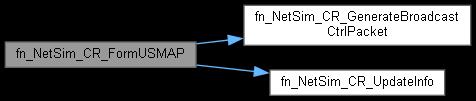
| NetSim_PACKET * | fn_NetSim_CR_FormUSMAP (NETSIM_ID nDeviceId, NETSIM_ID nInterfaceId) |
| |
| NetSim_PACKET * | fn_NetSim_CR_FormUCD (NETSIM_ID nDeviceId, NETSIM_ID nInterfaceId) |
| |
| NetSim_PACKET * | fn_NetSim_CR_FormDCD (NETSIM_ID nDeviceId, NETSIM_ID nInterfaceId) |
| |
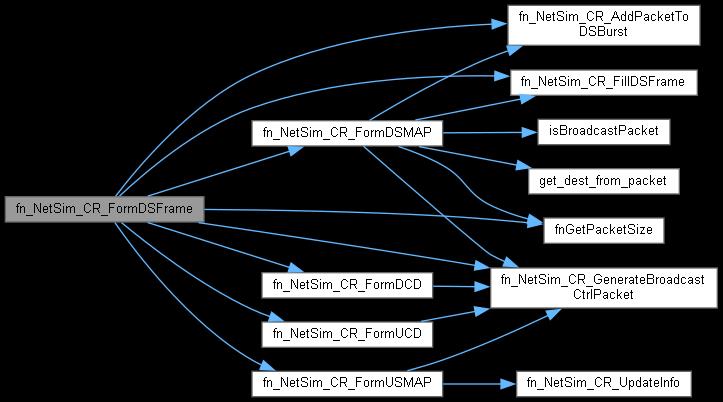
| int | fn_NetSim_CR_FormDSFrame (NETSIM_ID nDeviceId, NETSIM_ID nInterfaceId, double dTime) |
| |
| NetSim_PACKET * | fn_NetSim_CR_BS_PackPacket (BS_MAC *pstruBSMac, NetSim_PACKET *pstruPacket) |
| |
| int | fn_Netsim_CR_SM_ScheduleQuietPeriod (BS_PHY *pstruBSPhy, SCH *pstruSCH) |
| |
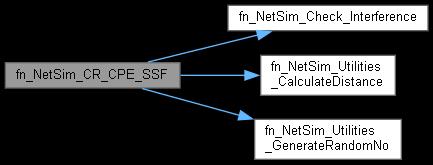
| struct stru_802_22_SSFOutput * | fn_NetSim_CR_CPE_SSF (struct stru_802_22_SSFInput *input, NETSIM_ID nDevId, NETSIM_ID nInterfaceId) |
| |
| int | fn_NetSim_TerminateServiceFlow (NETSIM_ID nDeviceId, NETSIM_ID nInterfaceId, NetSim_PACKET *pstruPacket) |
| |
| int | fn_NetSim_CR_CalulateReceivedPower () |
| |
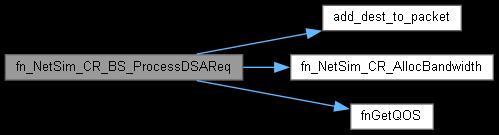
| int fn_NetSim_CR_BS_ProcessDSAReq |
( |
| ) |
|
To manage the various traffic flows between CPEs and the BS, the MAC protocol shall have the capability to dynamically manage the addition, deletion, and change of service flows. The format of a Dynamic Service Addition Request (DSA-REQ) message is shown in Table.
This message is sent either by a CPE or BS and is to create a new service flow,and shall not contain parameters for more than one service flow.The FID field carried in the MAC header of the PDU where this message is transmitted shall be the primary management FID of the CPE.
Definition at line 111 of file DSx.c.
| int fn_NetSim_CR_CPE_ProcessDSA_RSP |
( |
| ) |
|
A DSA-RSP message shall be generated in response to a received DSA-REQ message. If the transaction is successful, the DSA-RSP message may contain the following:
Service Flow parameters (the completespecification of the service flow shall be included in the DSA-RSP if it includes a newly assigned FID or an expanded service class name) and CS parameter encodings (specification of the service flow’s CS-specific parameters).
Definition at line 173 of file DSx.c.
| int fn_NetSim_CR_CPE_SwitchChannel |
( |
| ) |
|
When the BS decides to switch channels during normal operation, it shall execute the following procedure to determine when to schedule the channel switching operation. The BS selects the first backup channel from its backup/candidate channel list, it shall select a waiting time T46 to make sure that all its CPEs are prepared for the channel switch. The value of T46 is a configuration parameter that could be set by the management interface. The first requirement is the value of T46 shall be smaller or equal to the maximum allowed channel moving time and the second requirement is that is long enough for the CPEs to recover from an incumbent detection.
Note: For further details, please Refer IEEE 802.22-2011 Document Section 7.22.2
Definition at line 389 of file SpectrumManager.c.
| int fn_NetSim_CR_FormUSBurst |
( |
| ) |
|
The MAC data elements that are contained in upstream bursts shall be mapped to the US sub frame in a different order. They are first mapped horizontally, OFDM symbol by OFDM symbol, in the same logical sub channel.
Once a logical sub channel has been filled to the end of the upstream sub frame, the balance of the MAC data elements shall be mapped to the next logical sub channel, in an increasing sub channel order. This process continues until all of the sub channels and symbols allocated to the burst are filled. If the quantity of MAC data elements is insufficient to fill an upstream burst so that an integer number of OFDMA slots is occupied once encoded, zero padding shall be inserted at the end.
Alternatively, the horizontal laying of the MAC data elements may fill one sub channel with at least 7 OFDM symbols at a time and continue on the following sub channels. However, when all logical sub channels have been filled, the next MAC data elements shall be placed in the first available logical sub channel in the following burst. The width of the last vertical burst will be between 7 and 13 symbols depending on the total number of symbols in the upstream sub frame.
Definition at line 20 of file USFrame.c.
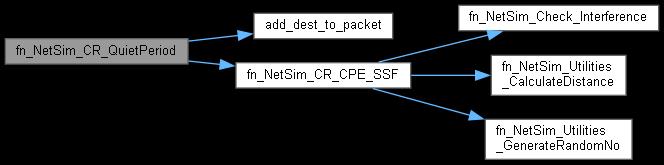
| int fn_NetSim_CR_QuietPeriod |
( |
| ) |
|
In order to meet the Channel Detection Time for detecting the presence of incumbents in the operating channel, an IEEE 802.22 network shall schedule network-wide quiet periods for sensing. During these quiet periods, all network traffic is suspended and base stations and CPEs shall perform in-band sensing. This process is coordinated by the BS, which is responsible for scheduling the quiet periods.
Note: For further details, please Refer IEEE 802.22-2011 Document Section 7.21
Definition at line 204 of file SpectrumManager.c.
| int fn_NetSim_CR_TransmitFCH |
( |
| ) |
|
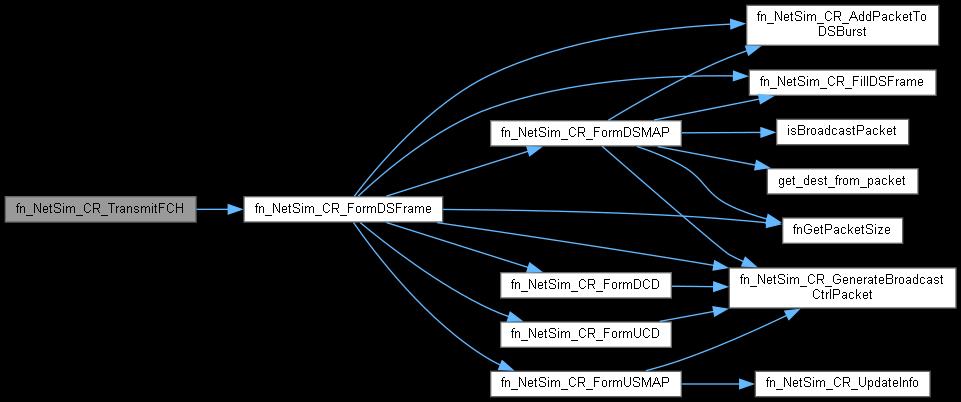
The frame control header is transmitted as part of the downstream PDU in the DS subframe. The length of the FCH shall be 3 bytes.The FCH shall be sent in the first subchannel of the symbol immediately following the frame preamble symbol except when it I s the first frame of a superframe belonging to a specific BS where this symbol will follow the SCH.
This second symbol of the frame carrying the FCH shall use a cyclic prefix TCP=1/4 TFFT. The FCH shall be encoded using the binary convolutional channel coding .The FCH shall be transmitted using the PHY mode 5.
Definition at line 11 of file FCH.c.
| int fn_NetSim_CR_TransmitSCH |
( |
| ) |
|
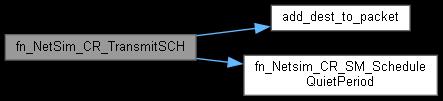
The Superframe Control header decoding is critical, so the SCH shall be transmitted using the modulation technique. The length of SCH shall be one OFDM symbol. The SCH shall be decoded by all the CPEs associated with that BS . The SCH provides information about the IEEE 802.22 cell, in order to protect incumbents, support self-coexistence mechanisms, and support the intra-frame and inter-frame mechanisms for management of quiet periods for sensing. Transmission of a SCH indicates that the WRAN cell is operating in one of the two possible modes: normal mode or self-coexistence mode.
Definition at line 10 of file SCH.c.
| int fn_NetSim_CR_TransmitUSBurst |
( |
| ) |
|
The MAC data elements that are contained in upstream bursts shall be mapped to the US sub frame in a different order. They are first mapped horizontally, OFDM symbol by OFDM symbol, in the same logical sub channel.
Once a logical sub channel has been filled to the end of the upstream sub frame, the balance of the MAC data elements shall be mapped to the next logical sub channel, in an increasing sub channel order. This process continues until all of the sub channels and symbols allocated to the burst are filled. If the quantity of MAC data elements is insufficient to fill an upstream burst so that an integer number of OFDMA slots is occupied once encoded, zero padding shall be inserted at the end.
Alternatively, the horizontal laying of the MAC data elements may fill one sub channel with at least 7 OFDM symbols at a time and continue on the following sub channels. However, when all logical sub channels have been filled, the next MAC data elements shall be placed in the first available logical sub channel in the following burst. The width of the last vertical burst will be between 7 and 13 symbols depending on the total number of symbols in the upstream sub frame.
Definition at line 162 of file USFrame.c.


























































 1.9.5
1.9.5